
ONE UNIFIED DATA CENTRE COURSE
Data Centre Operations
One unified pathway connecting equipment, systems and operational decisions.
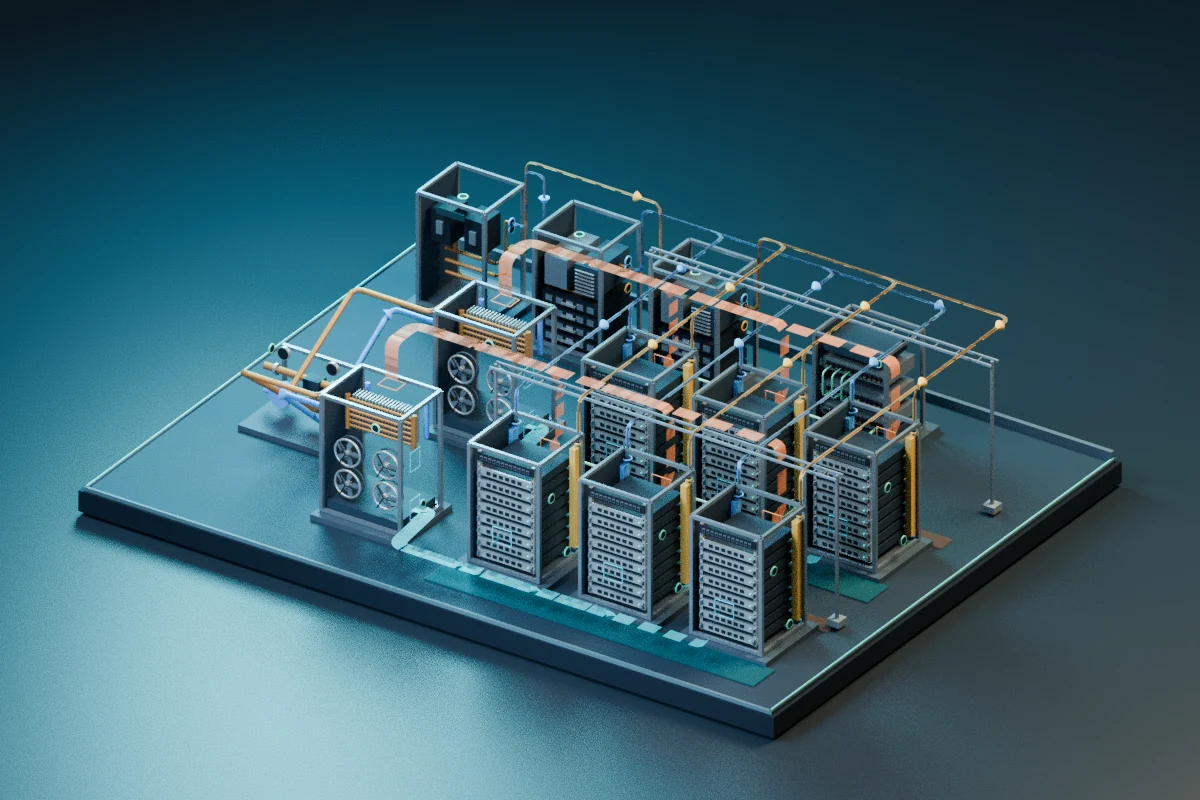
Part of one course
Data Centre Operations contains 12 modules and 62 activities, including 10 integrated final exercises. Power and cooling are subjects within this pathway, not separate purchases.
View the unified courseStart with the foundations
Foundations sit beside the equipment: electrical circuits and distribution, protection, UPS and inverter behaviour, heat, airflow and feedback. Beginners can follow component discovery and guided investigations. Experienced learners can choose independent challenges without repeating the introduction.
Paid enrolment is being prepared. The planned course purchase provides six calendar months of access, without automatic renewal. Signing in does not automatically unlock access.
Read free fundamentals Choose guided or independent learning Compare other learning areasTwelve self-paced modules
All twelve modules contain authored practical activities. They belong to the same course and the same course access term. Use the learner workspace for experiments, task evidence, feedback and progress.
1. Foundations
Services, site layout, evidence boundaries and system vocabulary.
2. Racks and network infrastructure
Rack arrangements, cabling, network roles and connections between IT infrastructure and supporting systems.
3. Electrical distribution
Electrical load, distribution boundaries, power paths and common dependencies.
4. UPS, storage and generation
UPS components and operating concepts, stored-energy evidence, backup generation and resilience dependencies. Practise conversion, stored-energy depletion, source readiness and fresh recovery checks in the causal power workbench.
5. Cooling and airflow
Heat paths, measurement quality, cooling components, system dependencies and evidence-led thermal investigation. Practise load, airflow, recirculation, heat-transfer and sensor effects in the causal cooling workbench.
6. Monitoring and controls
Telemetry, controls, alarms, sensor quality and the limits of an observed indication.
7. Capacity, resilience and energy
Defined capacity boundaries, degraded states, efficiency and explicitly limited planning calculations.
8. Commissioning and acceptance
System verification, acceptance evidence, documentation and unresolved assurance questions.
9. Operations and maintenance
Trend-led maintenance planning, permissions, handover and operating-state awareness in fictional educational settings.
10. Change control
Change evidence, dependency review, approval boundaries, rollback reasoning and post-change checks.
11. Safety and incidents
Safe decision boundaries, incident evidence, escalation and documentary response reasoning. No authority for live intervention is implied.
12. Ten integrated exercises
Ten implemented final exercises combine thermal, electrical, monitoring, service and safety evidence. Compare alternative explanations and routes, observe changing conditions, coordinate fictional qualified responses and verify fresh recovery. Qualified review and learner validation remain required.
Learning boundaries and launch status
Educational models and evidence exercises support understanding. They are not validated engineering physics, certification, OEM endorsement or a workplace competence guarantee. Technical, instructional and learner review remains part of launch readiness. Paid enrolment is not open.
Historical results remain attached to their original courses and content versions. Earlier completion does not automatically transfer to a new activity.